
Heroes Bleed Too, Often Invisibly: A Retired RCMP Officer's Raw Journey Through PTSD

What happens when the people we count on to run toward danger finally have to face the invisible wounds it leaves behind?
For 25 years, Cynthia Hamilton Urquhart wore the uniform of the Royal Canadian Mounted Police, responding to crises that most of us can only imagine. She was part of an era when women made up just 4 percent of the force, blazing trails while carrying the weight of extraordinary expectations. But beneath the badge and bravery lay something unspoken: complex PTSD that did not announce itself with dramatic breakdowns but crept in through overwhelm, insomnia, and haunting images she could not shake.
In a deeply moving conversation on the Life Changes Channel Podcast Episode 23 with host Deena Kordt, Cynthia opens up about her diagnosis, the stigma that kept her silent, the toll on her marriage and blended family, and why she wrote A First Responder Voice: a guided journal designed as a peer in your pocket for first responders, their families, and anyone touched by trauma. This is not just one woman's story; it is a lifeline for thousands still struggling in silence.
Deena, founder of Life Changes & Divorce Magazine Canada and a fierce advocate for those navigating tough transitions, creates a warm, validating space where Cynthia's vulnerability shines. Together, they unpack the human cost of heroic work and the hope that comes when we finally name the pain.
Joining the RCMP in a Trailblazing Era
Cynthia joined the RCMP in 1985, a time when female officers were rare and often viewed with skepticism. She moved nine times across six provinces, building a career while raising a family in a blended household of five children from previous marriages. Her husband, also an RCMP veteran with 35 years of service, shared the same high-stakes world.
"We came from an era where mental health was never discussed," Cynthia recalls. "It was a sign of weakness."
Women in policing faced extra pressure to prove themselves tougher than tough. Hollywood stereotypes reinforced the idea that PTSD was for weak men, not capable women like her. When symptoms appeared—recurring images of a child she could not save, decision paralysis, emotional numbness—she did not connect the dots.
"I was dumbfounded by my diagnosis," she admits. "I did not realize women could get PTSD."
Diagnosed in 2013, two years after retiring, Cynthia felt embarrassed and humiliated. Compliments like "I do not know how you do it" stung because inside, she felt like a failure.
The Diagnosis That Changed Everything
The turning point came at Calgary's Operational Stress Injury Clinic. Cynthia learned her symptoms were not personal failings. They were the brain's response to repeated exposure to trauma. Her husband had been diagnosed eight months earlier, and they navigated treatment together.
PTSD in first responders often looks different. It does not appear as explosive anger but as chronic overwhelm, hypervigilance, and an inability to turn off the shift mindset. Cynthia describes walking through the door at home still on shift, unable to decompress.
“You cannot just turn the switch off," she explains.
The couple's shared diagnosis highlighted another truth: trauma manifests uniquely even in the same household. What helped one partner might not help the other. Communication became essential and challenging.
The Hidden Toll on Families and Marriages
First responder marriages carry higher divorce rates for good reason. Spouses live with constant worry. Will they come home? When they do, will they be present? Children absorb the tension, learning early that Dad or Mom might be emotionally unavailable after a tough call.
Cynthia speaks movingly about blended-family dynamics compounded by two high-stress careers. "Marriage is difficult... but when you bring a first responder into that relationship, it is extremely difficult."
She urges couples to talk about decompression. "Do you talk to your spouse about maybe what went on at shift?" Small rituals—debriefing without graphic details, creating safe space for silence—can make a difference.
Host Deena Kordt, drawing from her own advocacy work, notes the ripple effects. "How does that then affect their extended family, their children, the people around them that do not understand?"
Cynthia agrees. Families need tools to support without burning out. She once spoke at a spouse retreat, hearing stories that mirrored her own isolation.
"We need to understand that what we do is different, unusual, exceptional. In fact, it is extraordinary. And because we live these extraordinary lives, we can expect to have extraordinary struggles and carry extraordinary burdens, that can result in the need for extraordinary care." Cynthia says.
Why Mental Health Care Feels Out of Reach
Accessing help remains complicated, inconvenient, and expensive. First responders often delay treatment until crises force their hand, sometimes too late. Cynthia lost colleagues to suicide, a pain that fueled her advocacy.
"I was so tired of sitting back and watching former colleagues struggle," she says.
She identifies two under-discussed trauma types:
Moral injury: When you are forced to act without adequate resources, leaving you feeling you have failed morally.
Sanctuary trauma: When the organization that is supposed to protect you adds pressure or betrayal.
These challenges apply beyond policing to nurses, firefighters, dispatchers, corrections officers, and even frontline workers during COVID. Cynthia's mission is to destigmatize help-seeking. "There is hope and you can move forward."
Rediscovering Hope and Setting Boundaries
Post-diagnosis, Cynthia learned to set boundaries around overwhelm. She and her husband recharge deliberately, recently taking a summer break for family time in Nova Scotia.
"Helping others is what we do," she reflects. "Helping ourselves? Not so much."
Yet self-care is not selfish. Deena calls Cynthia a lighthouse, shining light for those lost in darkness. The visual of her steady presence resonates through every story she shares—the quiet strength of someone who has walked the hardest paths yet continues to guide others.
Cynthia’s closing message radiates strength: keep going, keep connecting, keep speaking. The extraordinary burdens of first-responder life deserve extraordinary compassion from organizations, families, and ourselves.
Watch the full episode on YouTube
📌 This article was originally published in Life Changes & Divorce Magazine Canada – Spring Issue 2026
🔗 Read the full issue here
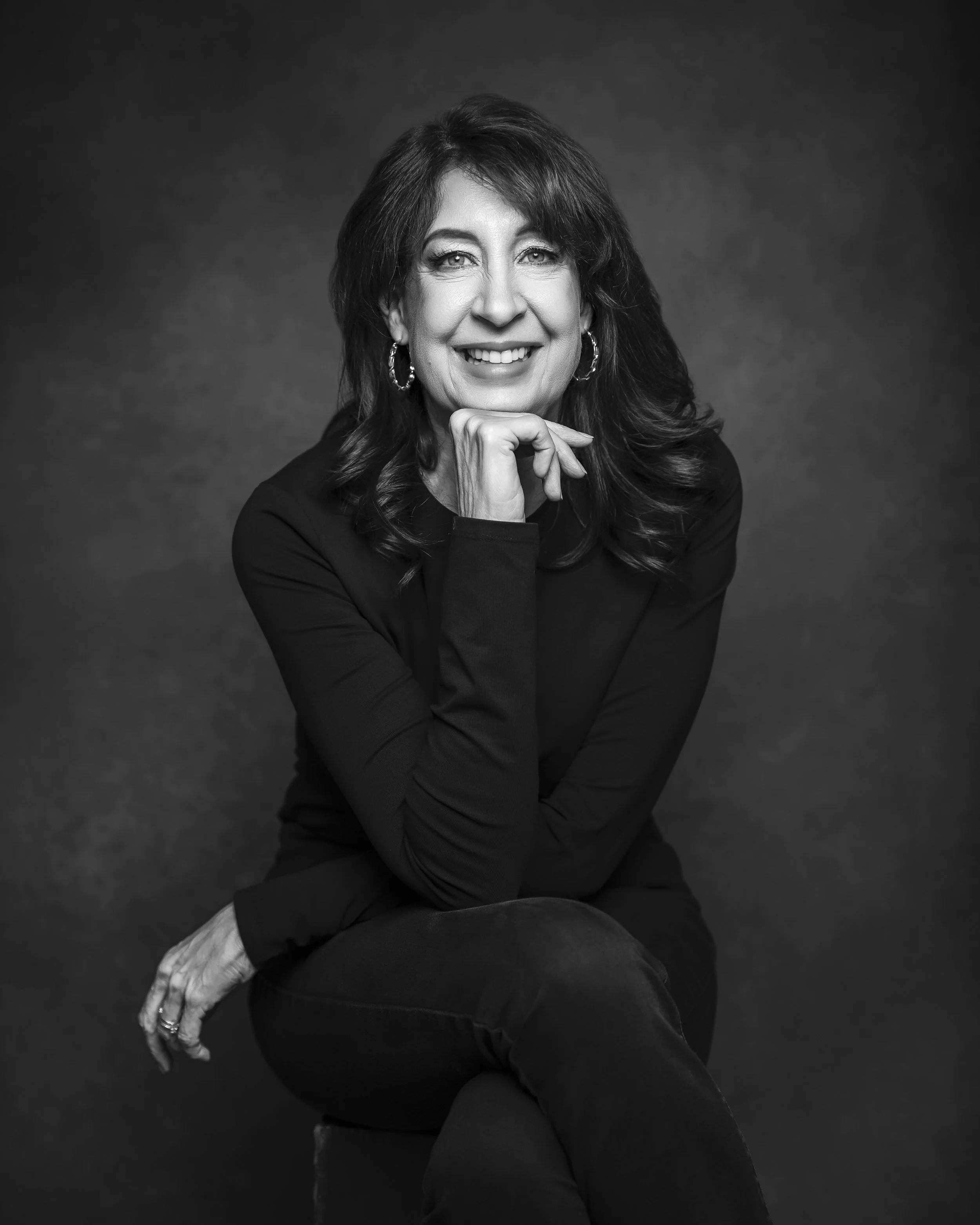
Meet the Author: Cynthia Hamilton Urquhart
First Responder (retd) & Mental Health Advocate
Cynthia Hamilton Urquhart is a speaker, author, poet, and retired RCMP officer with 25+ years in First Responder roles. Both she and her husband, also a First Responder, experienced PTSD, shaping her insight into trauma, healing, and the impact of service on families.
She founded A First Responder Voice to support those who serve and their loved ones, raising awareness of the emotional toll of high-stress careers. She authored In the Shadows of Service and A First Responder Voice: Courage in the First Step (Spring 2026).
Cynthia delivers keynotes Caring Can Be Complicated and The Weight of Extraordinary, speaking to audiences including Corrections Canada, CIPSRT, and RCMP members.
She contributed to the Amazon #1 anthology Women of Inspiration and has received the Universal Women’s Network Unsung Hero Award, RCMP Long Service Award, and 125th Confederation Medal.
She lives in Calgary with her husband Steve and their dogs, enjoying the outdoors with family while continuing community service. More at afirstrespondervoice.com
LinkedIn: Cynthia Hamilton Urquhart
Facebook: A First Responder Voice
Instagram: A First Responder Voice
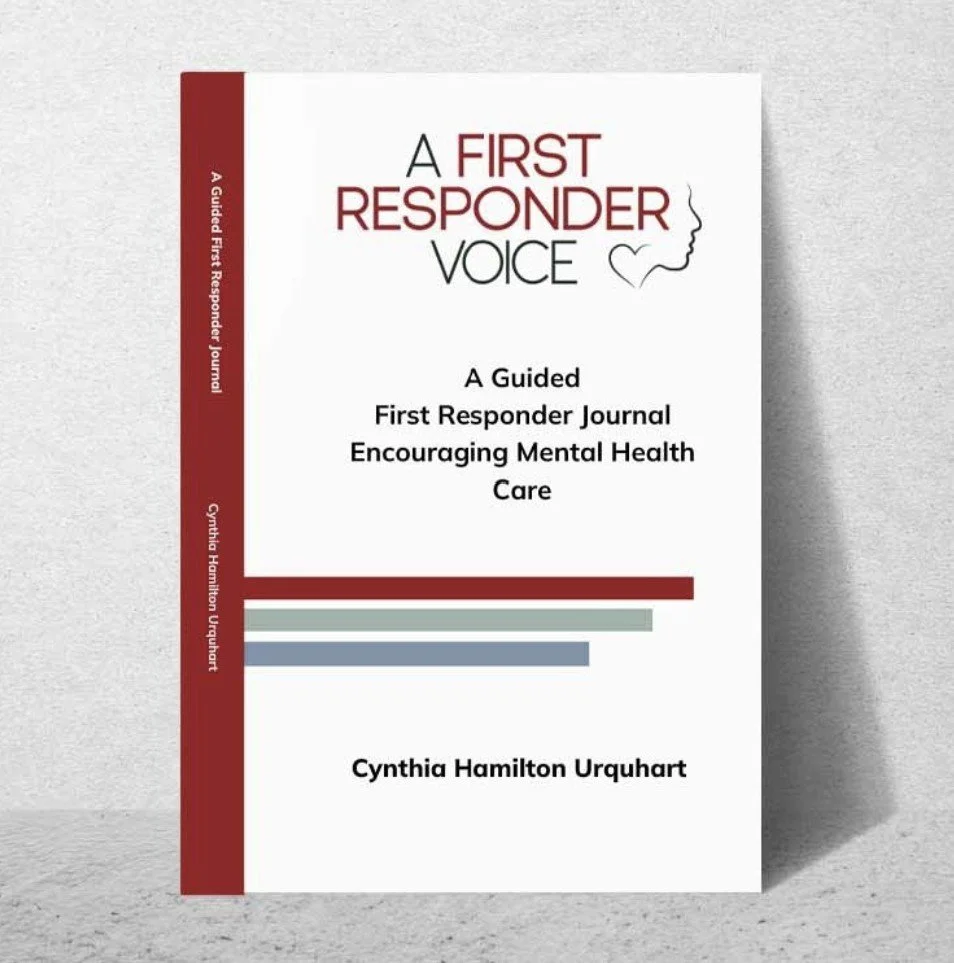
Creation of A First Responder Voice:
A Guided Journal for Healing
Frustrated by superficial programs, Cynthia created “A First Responder Voice”, an 181-page guided journal with prompts on work, family, disconnection, red flags, and recovery, plus lived experiences, resources, a poem, and song suggestions. "It is a peer in your pocket," she says — a safe space to reflect, process PTSD, and bridge therapy. Cynthia hopes it helps anyone in need and encourages sharing it with others.
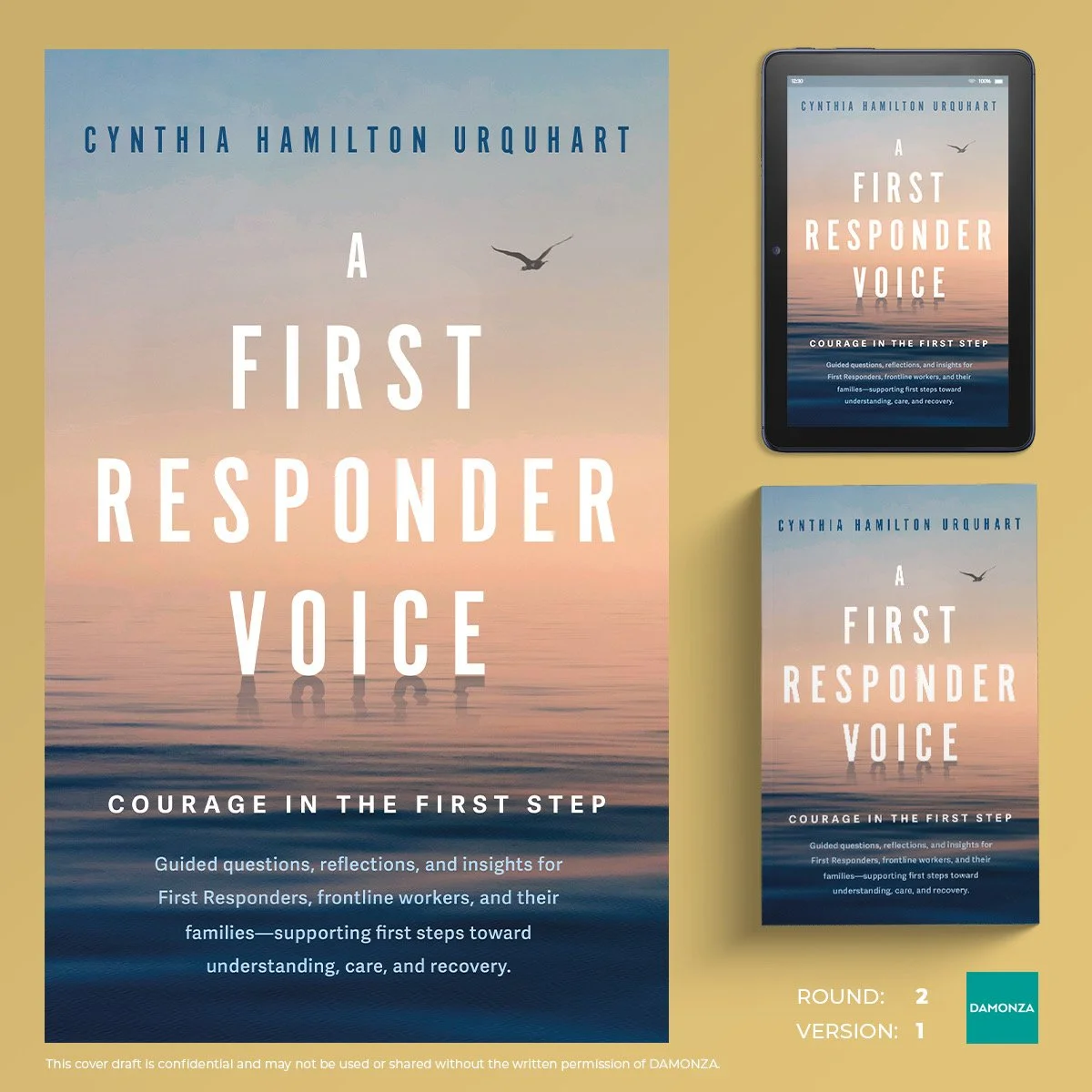
A First Responder Voice: Courage in the First Step (Spring 2026)
An updated and expanded guided journal by Cynthia Hamilton Urquhart, offering prompts, reflections, and tools for First Responders and their families to process trauma, build resilience, and navigate the emotional challenges of service life.
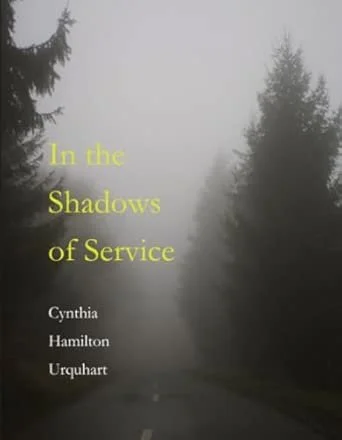
In the Shadows of Service
A poetry collection by Cynthia Hamilton Urquhart that reflects on trauma, resilience, identity, and the emotional impact of service life. Published by Blaze VOX Books (New York), the work offers a deeply personal lens into the lived experiences of First Responders and their families.
Note: The author, compiler and publisher do not assume and hereby disclaim any liability to any party due to these words coming from the author’s own opinion based on their experiences. This account is based on the author’s own personal experience. We assume no responsibility for errors or omissions in these articles.
