
What Happens After Trauma? An Emmy-Winner Reveals The Path To Hope
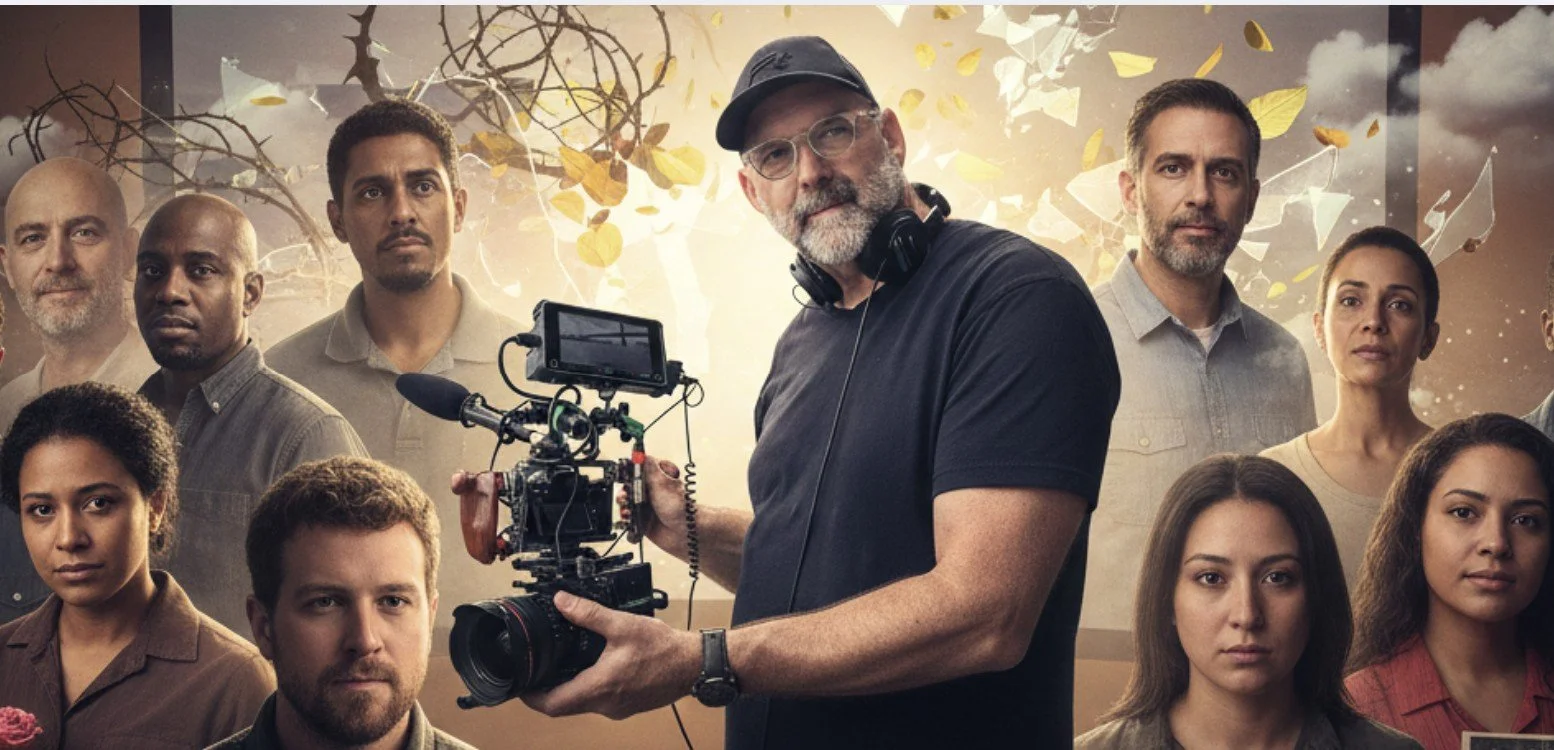
In a world quick to scroll past pain, Emmy-award-winning filmmaker Eric Christiansen pauses to look deeper.
For over three decades, he has turned his camera toward the raw aftermath of life's most shattering moments not to sensationalize the horror but to capture the quiet, tenacious thread of hope that emerges afterward. His latest documentary, unMASKing HOPE, weaves together survivor stories from mass shootings, 9/11, military sexual trauma, veteran combat experiences, and more. The result is not a parade of tragedy; it is a testament to shared humanity, recovery, and the profound power of simply saying, "You are not alone."
In a heartfelt conversation on the Life Changes Channel Podcast with host Deena Kordt, Eric opens up about his own brushes with loss, his journey through sobriety, and why he believes healing follows remarkably similar paths no matter the trauma.
Deena, founder of Life Changes & Divorce magazine & a passionate advocate for life transitions, creates a space of genuine curiosity and empathy. Together, they explore how stories told with care can become bridges to understanding in an increasingly divided world. This is not just about documentaries. It is about what happens when we choose empathy over judgment, identification over isolation, and hope over despair.
From Personal Fire to Filmmaking Calling
Eric's path into trauma storytelling began with flames, literally. Over 30 years ago, he lost his home in the 1990 Painted Cave fire in Santa Barbara. The devastation was total, but so was the opportunity for transformation.
"I was part of a survivor circle," Eric recalls. "I used my filmmaking skills to document their stories." He completed the resulting film, Faces in the Fire, in just one year. It premiered on the fire's first anniversary and earned him his first Emmy.
That project coincided with another pivotal recovery: Eric's sobriety. "I've been sober 32 years through a fellowship," he shares. The act of listening to others' pain mirrored his own healing process. "The miracle of identification, when I say hi, I'm Eric, I'm an alcoholic, that's my entrée into their world."
This personal foundation shaped his approach: films are not about exploiting incidents. They honor the soul's journey afterward. These moments of connection, reflection, and storytelling provide the emotional anchor that threads through all his work.
The Evolution of a Mission:
From Veterans to Universal Healing
Eric's work expanded to veterans with Homecoming: A Vietnam Vets Journey, inspired by a friend's motorcycle pilgrimage to the Vietnam Veterans Memorial. He joined with his wife and sons, including his newborn, to capture the pilgrimage. The film became his first PBS release and earned praise in The New York Times.
Later came Searching for Home: Coming Back from War, which mixed veterans from different eras to explore whether healing was universal. "All people basically healed the same," Eric explains. "It's like being on a cruise ship. The cruise ship is going to end up usually it goes the same route and it's going to end up the same place."
unMASKing HOPE builds on that insight. The film opens with veteran Sandra Lee, whom Eric first met in Searching for Home, and her wedding to Mac after surviving PTSD and military sexual trauma. Other voices include Becky, a 9/11 survivor marking her first job anniversary at Morgan Stanley, Jack Delaney, a first responder at Ground Zero, and Molly, who endured two mass shootings, including the Las Vegas festival shooting.
Eric deliberately chose diverse traumas, some sudden and unexpected, others tied to service, to show the common recovery arc: incident, aftermath grief, confusion and survivor guilt, then healing through connection. "The trauma is the incident, the grief's kind of the aftermath," he says.
Crafting Stories with Clinical Care and Ethical Sensitivity
What sets Eric's work apart is its clinical grounding and gentle delivery. He partnered with experts like Dr. Amit Etkin from Stanford and Columbia to incorporate predictive markers for PTSD, anxiety, and depression treatment efficacy. The film uses lyrical animation, minimal stock footage, and a three-act structure: the event, the emotional confusion, and the path to hope.
"I try to drill down into the surface but behind… it's not about the incident… it's actually about what the soul goes through afterwards," Eric emphasizes. He avoids graphic triggers, letting survivors' words and imagination carry the weight.
"It's a gnarly responsibility to carry these stories," he admits, visibly moved by participants' vulnerability.
Deena Kordt, who watched the film with her husband, praises its balance. "We were just really blown away not only by the videography which is just topnotch but the content was so compelling. You're unmasking from that trauma but there's hope there. It's a very encouraging film."
These observations naturally highlight the emotional visual moments in the film: Molly's tearful relief in a support group, Sandra and Mac's quiet joy, the unspoken grief of veterans remembering lost comrades. Each frame conveys hope without needing graphic depiction.
Why Connection Heals
One of the episode's most powerful threads is the miracle of identification. Eric describes how survivors light up when they realize others have walked similar paths. Molly's moment in a support group, discovering she was not alone, mirrors Eric's own experience.
"People aren't alone, others care and understand,"he says, echoing the film's tagline.
This insight extends beyond survivors. Eric urges empathy in everyday life. "Empathy isn't sympathy. It's trying to really honestly understand and put yourself in their shoes emotionally. Lead with love. I don't have to agree but I do have to love." He applies this to divisive issues like homelessness and transgender experiences, reminding us that behind every story is shared humanity.
Resources as a Safety Net: Turning Viewing into Action
Eric does not leave audiences with inspiration alone. unMASKing HOPE partners with Give an Hour, offering free clinical support for trauma, veterans, depression, and anxiety. Study guides and outreach programs provide post-viewing resources.
"Seek professional help," he advises. "Find community. Attend groups where others share similar experiences to realize 'I'm not crazy, I'm not alone.'"
The film is available on PBS platforms and various streaming services, designed as a doorway to healing rather than an endpoint. Eric's approach emphasizes practical support and community alongside storytelling.
Emotional Echoes and Lasting Connections
Eric grows emotional reflecting on ongoing relationships, like calling Vietnam vet J.R. Franklin every Veterans Day, noting how fewer remain. He treasures a recent reminder from Sandra Lee and Mac: a photo from a Harvard football game four years earlier sparked a heartfelt exchange.
"Wow, that's where you get all emotional… connections like that. God put me in a place where I could play a small part in all these people's healing," he says.
FILM SYNOPSIS
unMASKing HOPE chronicles the extraordinary stories of a disparate group of trauma survivors who don “masks” that bury their spiritual, physical and emotional pain. From survivors of 9/11 and mass shootings, to service members in combat and chronic sexual abuse victims, the film goes behind their MASKS to experience the abuse, social stigma, and moral injury that have scarred their souls. As we are taken on their journey from seclusion to inclusion, we realize that the aggregate stories of these brave individuals share a powerful message of HOPE, inspiring us to unMASK our own HOPE and be whom we were born to be. Ultimately the film demonstrates the resiliency of the human spirit and promotes tolerance and empathy for those who have been stigmatized by unthinkable traumatic events.
While driven by emotional storytelling, unMASKing HOPE includes expert commentary from academics, scientists and doctors at the pinnacles of their fields who offer insights around the complexities of trauma and the long process of healing and recovery.
They include Dr. Jeremy Crosby, Trauma Therapist/Expert and Author of the book, “A Mind Frozen in Time – A PTSD Recovery Guide”; Dr. Amit Etkin – Psychiatrist / Researcher at Etkin Lab / Faculty at Stanford University; and Dr. Arieh Shalev – New York University Barbara Wilson Professor of Psychiatry, Department of Psychiatry.
These moments underscore his belief: filmmaking is a spiritual process. He acts as a vessel, letting subjects' stories lead without agenda. The visual impact is woven into the narrative: smiles of relief, tears of recognition, quiet gestures that speak louder than words.
Hope in a Divided World
Eric Christiansen's work reminds us that trauma does not define the end of a story. It marks a turning point. By focusing on the aftermath, the confusion, the guilt, and ultimately the hope, he shows healing is universal, accessible through empathy, connection, and professional support.
In an era of polarization, his call to "lead with love" feels revolutionary. Whether facing personal trauma or witnessing others', the message is clear: understanding bridges divides, stories heal, and hope persists.
Listen to the full episode on the Life Changes Channel Podcast.
Follow Deena Kordt and Life Changes & Divorce Magazine Canada for more stories of resilience, and consider how one act of listening might spark hope in someone's life, including your own.
Because as Eric proves: behind every mask of pain lies the possibility of unmasking hope.
📌 This article was originally published in Life Changes & Divorce Magazine Canada – Spring Issue 2026
🔗 Read the full issue here
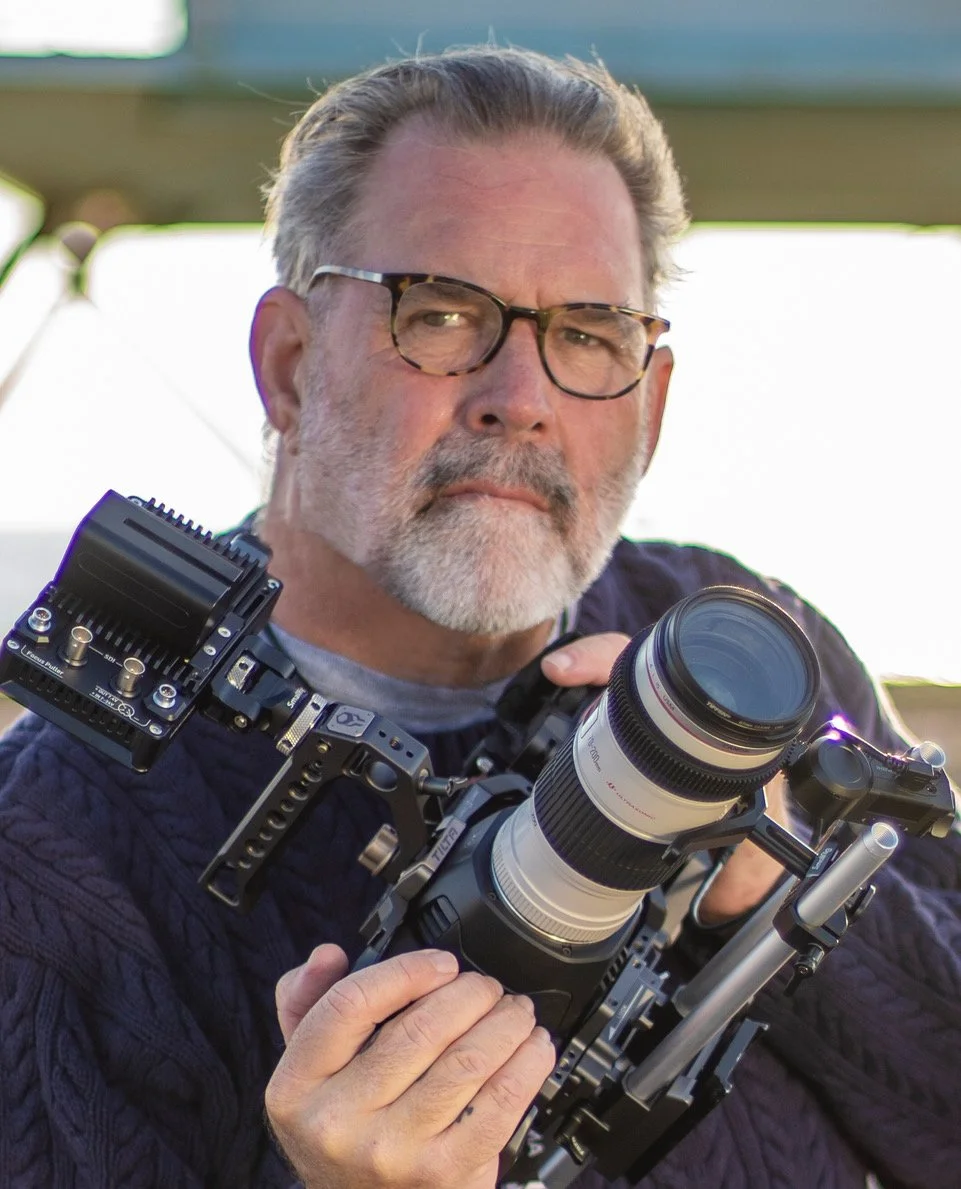
Meet Eric Christiansen
Eric Christiansen is a seven-time Emmy Award-winning documentary filmmaker and the founder of EC Productions, a Los Angeles-based company dedicated to socially conscious cinema.
A trauma survivor himself, having lost his home in the 1990 Painted Cave wildfire, Christiansen has built his career around films that explore the resilience of the human spirit and the complexities of recovery. His acclaimed filmography, which includes unMASKing HOPE, Searching for Home: Coming Back from War, and Homecoming: A Vietnam Vets Journey, is widely used by top mental health institutions as a clinical tool for healing.
Beyond his documentary work, he has produced content for major networks like Discovery, TLC, and PBS, and directed dozens of national commercials. In 2022, he was appointed as an ambassador for the mental health nonprofit Give an Hour.
Note: The author, compiler and publisher do not assume and hereby disclaim any liability to any party due to these words coming from the author’s own opinion based on their experiences. This account is based on the author’s own personal experience. We assume no responsibility for errors or omissions in these articles.
